
Your Garage Door Won't Stay Closed — Now What?
You press the button on your remote, the garage door starts its descent, and then — just before it reaches the floor — it reverses and goes right back up. It's one of the most frustrating garage door problems homeowners in Edmond deal with, especially when you're trying to leave for work or secure your home for the night.
The good news is that this issue is almost always fixable, and understanding why it happens can save you time, money, and a lot of unnecessary stress. Let's walk through the most common reasons your garage door reverses before closing and what you can do about each one.
1. The Safety Sensors Are Misaligned or Blocked
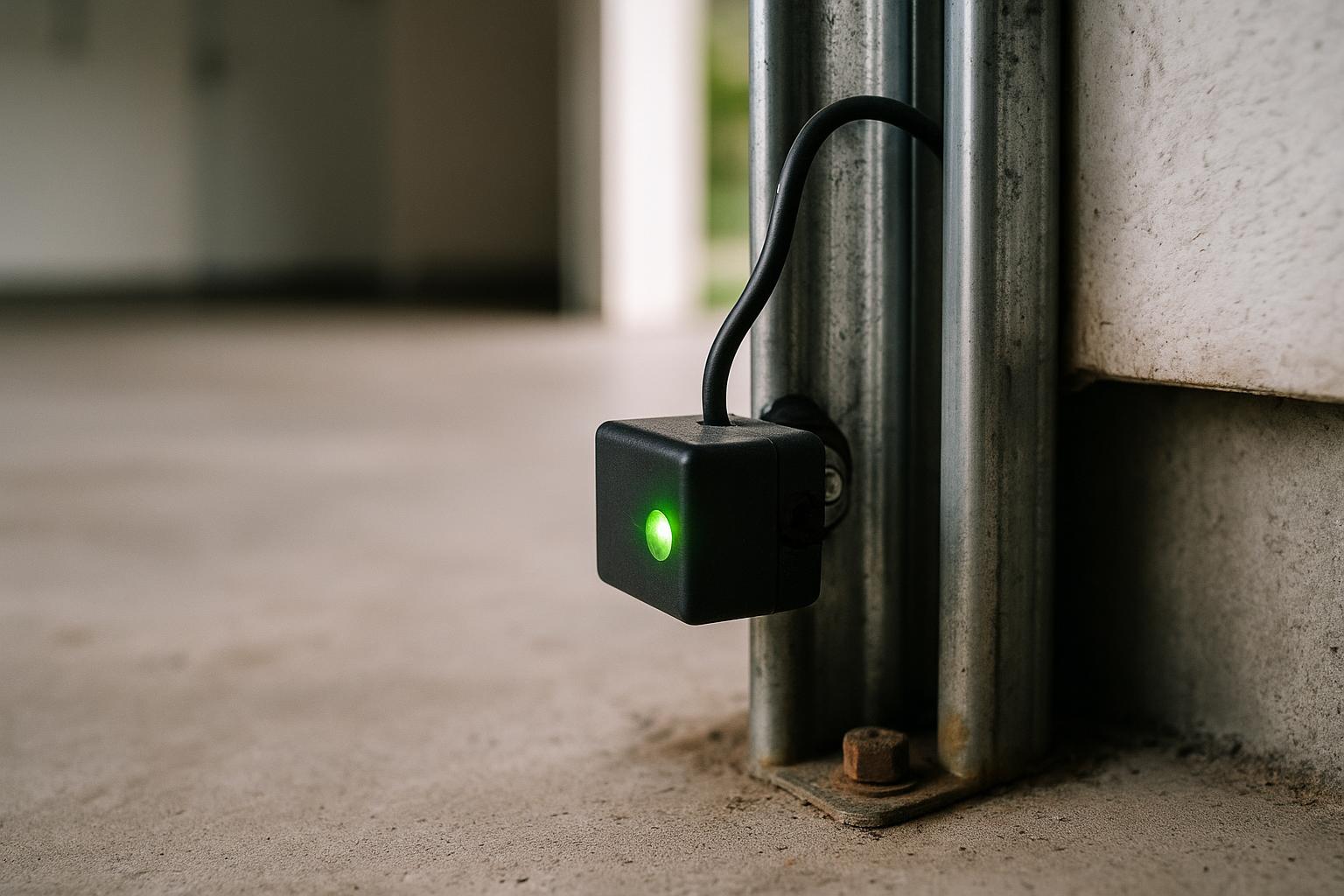
This is the number one cause of a garage door that reverses before reaching the floor. Every garage door opener manufactured after 1993 is required to have photo-eye safety sensors mounted near the bottom of the door tracks on each side. These sensors send an invisible beam across the opening. If anything breaks that beam — a trash can, a leaf, a spiderweb, or even direct sunlight — the opener interprets it as an obstruction and reverses the door.
Here's what to check:
- Look for blinking lights. Most sensors have small LED indicator lights. If one is blinking instead of glowing steadily, the sensors are likely misaligned.
- Clear any debris. Wipe the sensor lenses with a soft cloth. Even a thin layer of dust or a cobweb can interfere with the beam.
- Check alignment. Make sure both sensors are pointing directly at each other. A bump from a bike tire or lawn mower can knock them out of position.
- Look for sunlight interference. In Edmond, strong afternoon sun can sometimes overwhelm the sensor beam. A small shade or cardboard tube around the sensor can help.
If you've tried all of this and the sensors still won't cooperate, the wiring between the sensors and the opener may be damaged, which is a job best left to a professional.
2. The Close-Limit Switch Needs Adjusting
Your garage door opener has limit settings that tell it how far the door should travel when opening and closing. If the close-limit switch is set incorrectly, the opener may think the door has hit something — like the floor — before it actually has. The opener's built-in safety feature then kicks in and reverses the door.
On most openers, the limit adjustment is a small screw or dial on the back or side of the motor unit. Turning it slightly in the correct direction tells the opener to let the door travel a bit farther before stopping. Your owner's manual will have the specifics for your model. If you're not comfortable making this adjustment yourself, it's a quick fix during a routine maintenance visit.
3. The Tracks Are Dirty or Damaged
Garage door tracks guide the rollers as the door moves up and down. Over time, dirt, grease buildup, or small dents in the tracks can create resistance. When the opener encounters that resistance during the closing cycle, it may interpret it as an obstruction and reverse.
Inspect the tracks on both sides of the door. Look for:
- Visible dents or bends in the metal
- Buildup of grime or hardened grease
- Rollers that appear worn, cracked, or wobbly
You can wipe the tracks clean with a damp cloth, but don't use WD-40 or heavy lubricant on the tracks themselves — that can actually attract more dirt. If you notice bends or damage, contact a garage door technician. Trying to bend tracks back into shape without the right tools can make the problem worse.
4. Worn or Broken Springs Are Causing Imbalance
Your garage door springs do the heavy lifting — literally. They counterbalance the weight of the door so the opener doesn't have to work as hard. When springs wear out or lose tension, the door becomes heavier than the opener expects. This extra weight can trigger the auto-reverse feature.
You can test your door's balance by disconnecting the opener (pull the red emergency release handle) and manually lifting the door halfway. Let go. A properly balanced door should stay in place. If it falls or rises on its own, the springs need attention.
Important: Garage door springs are under extreme tension and can cause serious injury if handled incorrectly. Spring replacement is one repair we strongly recommend leaving to trained professionals. Our team handles broken spring replacements throughout Edmond and the surrounding areas regularly, and it's one of the most common service calls we get.
5. The Opener's Force Settings Are Too Low
In addition to limit settings, most garage door openers have force settings that control how much power the motor uses to open and close the door. If the closing force is set too low, the opener may not have enough power to push the door all the way down, especially if the door is slightly heavier due to temperature changes, aging springs, or new weatherstripping.
The force adjustment is usually located near the limit adjustment on the opener unit. A small increase in closing force can sometimes solve the reversing problem. However, be careful not to set it too high — the force setting exists as a safety measure to prevent the door from crushing objects or injuring people.
6. Worn Rollers or Hinges Creating Friction
Rollers and hinges are parts that homeowners rarely think about until something goes wrong. Nylon rollers can crack and steel rollers can rust, especially after our Oklahoma weather cycles between humid summers and cold winters. Worn rollers create friction, and friction creates resistance that the opener may read as an obstruction.
If your door sounds louder than usual — grinding, squealing, or popping — worn rollers or dry hinges could be contributing to the reversing issue. Lubricating the rollers, hinges, and bearing plates with a silicone-based garage door lubricant is part of basic maintenance and can make a noticeable difference.
When to Call a Professional
Some of these fixes are simple enough for a handy homeowner to tackle on a Saturday morning. Cleaning sensors, wiping down tracks, and applying lubricant are all reasonable DIY tasks. But if you've gone through this list and your door is still reversing, or if the problem involves springs, tracks, or opener wiring, it's time to call in someone who does this every day.
At Edmond Door & Opener, we diagnose reversing issues quickly because we've seen hundreds of them. We'll tell you exactly what's wrong, explain your options in plain English, and get your door closing properly — usually in a single visit. We serve homeowners and businesses across Edmond, Oklahoma City, Deer Creek, Piedmont, Guthrie, and Arcadia.
Don't Ignore a Reversing Garage Door
A garage door that won't close isn't just annoying — it's a security risk. An open garage is an invitation for theft, pests, and weather damage. If your door has been acting up, address it sooner rather than later. Whether it's a simple sensor cleaning or a spring replacement, getting the problem fixed means one less thing to worry about when you pull into the driveway tonight.